Holiday Seasons Alter Deposit Rhythms and Game Cycles for Players on Regulated Platforms
Written by Rosa Ludwig · Sep 17, 2026
Holiday Seasons Alter Deposit Rhythms and Game Cycles for Players on Regulated Platforms
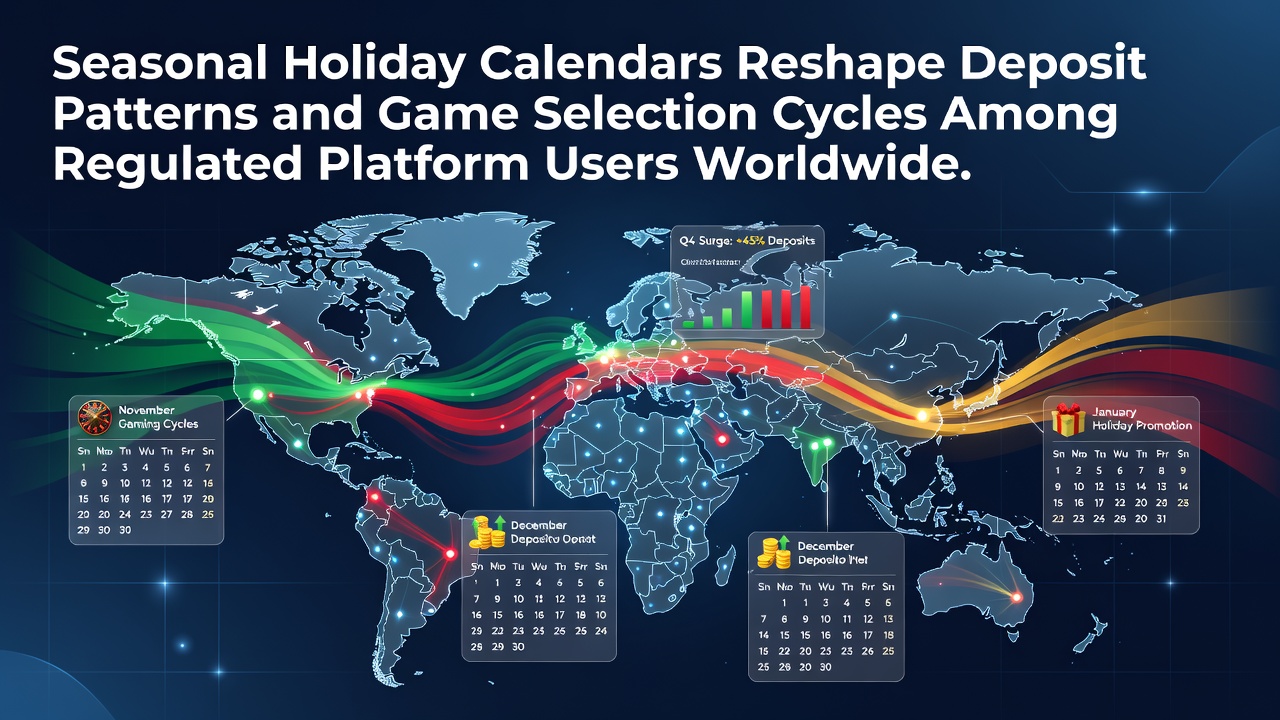
Seasonal holiday calendars create measurable changes in how users interact with regulated gaming platforms, particularly around deposit timing and the types of games they select during specific periods of the year. Data from multiple jurisdictions shows that major holidays such as Christmas, Lunar New Year, and summer vacation blocks coincide with shifts in funding patterns, while game preferences move toward either high-volatility options or lower-stakes formats depending on the cultural context of each celebration.
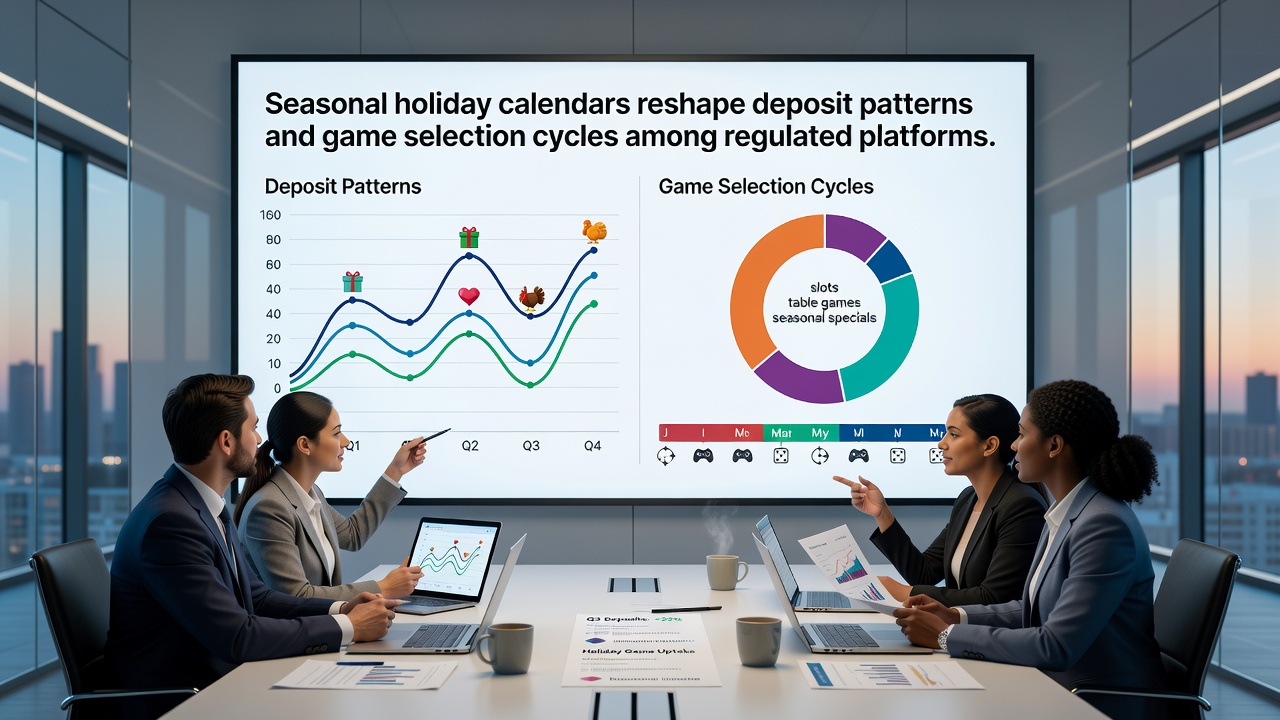
Research indicates that deposit volumes often rise in the days immediately preceding major holidays in regions where gift-giving traditions dominate spending, whereas post-holiday periods frequently see reduced activity as users adjust their budgets. These patterns appear consistently across European, North American, and Asia-Pacific markets, although the exact timing and magnitude vary by local calendar events and regulatory frameworks that govern platform operations.
Deposit Timing Patterns Across Major Markets
Observers note that platforms experience distinct spikes in deposits during the final week of December in Western markets, with similar surges occurring around late January or early February during Lunar New Year celebrations in Asian jurisdictions. A report from the New Jersey Division of Gaming Enforcement documented elevated transaction counts in the week before Christmas across multiple operators, while Australian regulatory filings show comparable increases ahead of the December holiday period when combined with summer school breaks. These timing shifts reflect users aligning deposits with bonus payouts, vacation pay, or family budget allocations that become available during festive seasons.
Yet the post-holiday period tells a different story. Capital inflows typically decline in early January across North American and European platforms, while platforms serving Chinese-speaking users often register drops following the Lunar New Year festival as participants resume regular work schedules. September 2026 projections based on historical datasets suggest these patterns will repeat, with operators preparing infrastructure for expected volume changes around both Western and Eastern holiday clusters.
Game Selection Cycles During Festive Windows
Game preferences also demonstrate clear seasonal movement. High-volatility slot titles and progressive jackpot games see increased play during pre-holiday deposit surges, according to aggregated platform telemetry shared by industry analytics providers. In contrast, table game traffic and live dealer sessions often gain ground in the days immediately after holidays when users appear to favor more controlled session lengths. One study from the University of Nevada, Reno gaming research group found that blackjack and roulette selections increased by measurable margins in the first two weeks of January across sampled Nevada-licensed sites.
Regional differences remain pronounced. Markets influenced by Diwali celebrations show temporary preference for color-based or festival-themed games, while platforms in Canada report elevated interest in sports betting markets tied to winter hockey schedules that overlap with holiday breaks. These selection cycles create predictable operational demands for game providers who adjust promotional calendars and server capacity accordingly.
Regulatory and Platform Responses
Regulators in multiple jurisdictions track these seasonal movements as part of broader market monitoring. The Alcohol and Gaming Commission of Ontario publishes quarterly reports that segment user activity by calendar quarter, revealing consistent holiday-related variations in both deposit frequency and average transaction size. Platform operators respond by implementing temporary responsible gaming messaging during high-deposit periods and adjusting game recommendation algorithms to match observed preference shifts.
Payment processors also adapt their systems ahead of known holiday windows. Transaction limits and verification workflows often receive temporary scaling to accommodate volume increases, while fraud detection models incorporate seasonal baseline adjustments to maintain accuracy during periods of elevated activity. These operational changes help platforms maintain compliance while meeting user demand without disruption.
Long-Term Data Trends
Multi-year datasets compiled by academic researchers and industry groups confirm that holiday-driven patterns persist even as overall platform usage grows. The European Gaming and Betting Association has referenced aggregate statistics showing that December and January remain among the most variable months for both deposit and withdrawal activity across member operators. Similar longitudinal observations appear in reports covering Australian and Canadian markets, where summer and winter holiday blocks produce repeatable cycles.
Projections for September 2026 and beyond rely on these established baselines, with operators using historical models to forecast staffing needs, promotional budgets, and game portfolio adjustments. The consistency of these patterns across different regulatory environments suggests that seasonal calendars will continue to exert influence on user behavior regardless of broader market expansion.
Conclusion
Seasonal holiday calendars function as reliable predictors of deposit timing and game selection changes across regulated gaming platforms worldwide. The data consistently demonstrates that both funding patterns and game preferences shift in measurable ways around major cultural celebrations, with regional variations reflecting local traditions and regulatory structures. Platform operators and oversight bodies use these recurring cycles to inform operational planning and compliance monitoring, ensuring systems remain prepared for predictable fluctuations in user activity throughout the annual calendar.